


The ultimate e-commerce
suite for manufacturers running Monitor ERP.
A B2B portal for orders and product information, pre-configured and connected to Monitor ERP. Your customers place their own orders, and nothing has to move out of your ERP.
Selected customers choosing Litium Core:









No implementation fee
The portal and the Monitor connection
are already built. Nothing to quote.
2–4 weeks onboarding
Kickoff to live portal. You supply the assortment, we configure.
Workflows made for you
Order flow, price lists and permissions follow how you already sell.
Most commerce suites are built for retail. This one is built for you.
Most commerce platforms are built for retail. You sell on article numbers, agreed prices and technical documentation, to customers who reorder the same parts year after year. Core is packaged for that, and for the Monitor system you already run the business in.
In short:
- A technical assortment: Article numbers, variants, attributes, datasheets and drawings. That is what customers search for.
- Logged-in customers with agreements: They log in, know the article number and reorder. There is no buying journey to design.
- The ERP runs the business: Monitor remains the source of truth. Commerce sits as a layer on top, it is not a migration.
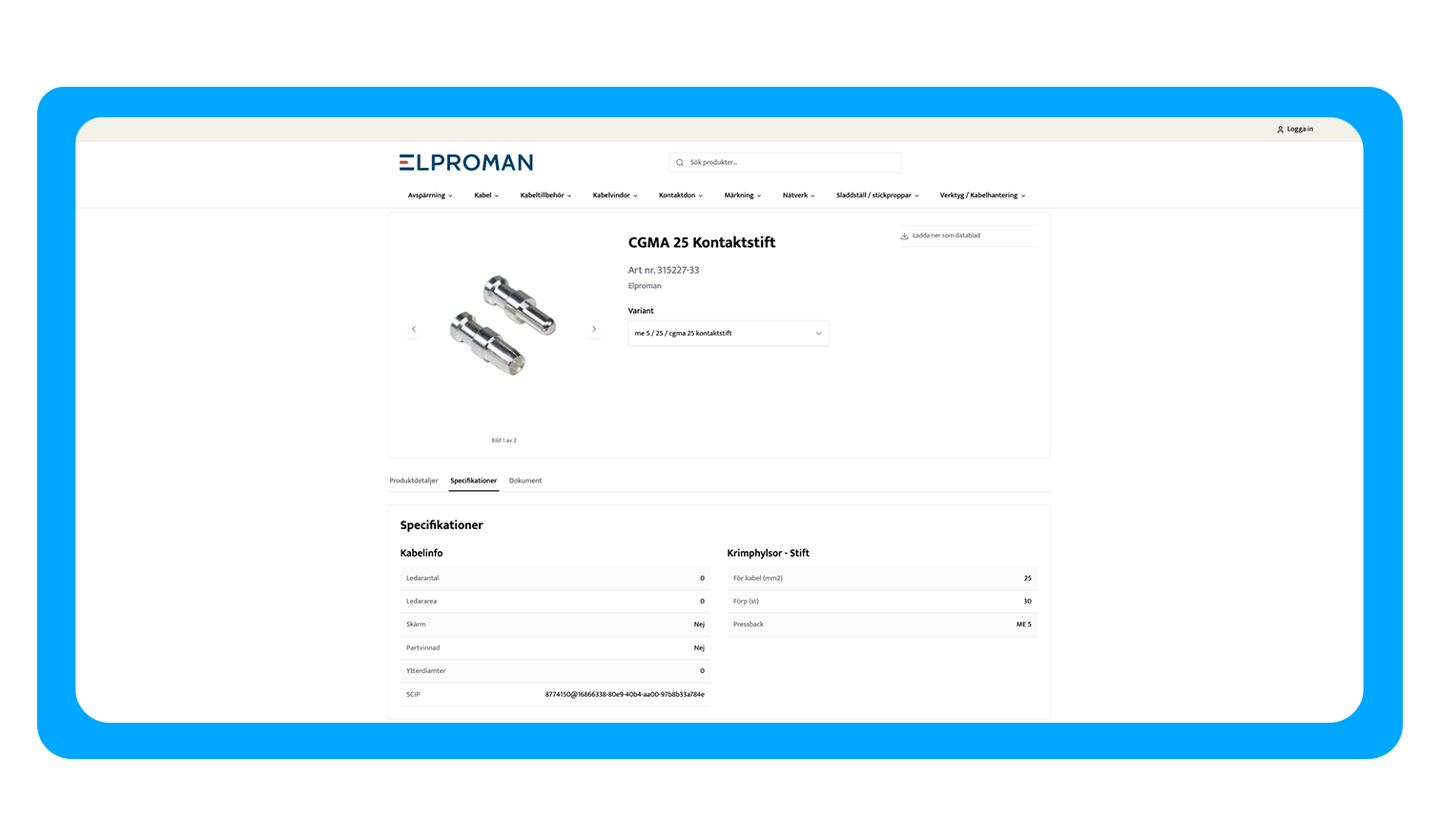
Portal, PIM and Monitor integration in one platform
Three parts, one fixed monthly fee and a clear benefit in each of them. You do not have to build anything yourselves to get started.
Branded after your company
Your logo, colours and domain. Customers see you, not a platform.
Client login with order history
Customers see their own orders and quotes, and reorder from them.
Customer prices, not list prices
Agreed prices and terms come from Monitor, per account.
Orders without manual entry
Orders land in Monitor as placed. No retyping, no typos.
Take orders around the clock without more order entry
Customers log in, find the article, see the stock balance and place the order themselves, at their own prices from Monitor and whenever it suits them. The order lands straight in Monitor, so nobody on your side has to key it in.
The article lives in Monitor, the selling information you build in the PIM
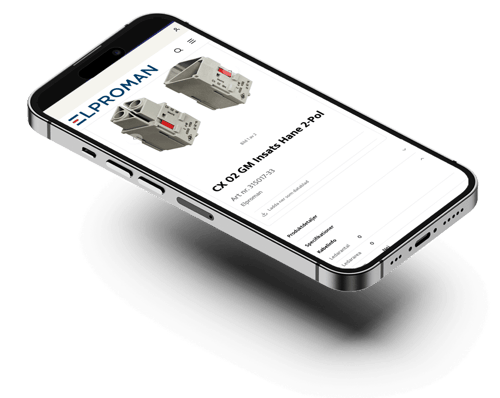
Descriptions, images, datasheets, drawings, attributes and translations live in the PIM. You enrich once and publish everywhere. Article numbers, stock balances and prices keep coming from Monitor.
Fields
Description Attributes Images Documents Translations Categories
What it means
- Fewer calls about specifications: Datasheets, drawings and dimensions sit right on the product page.
- New markets without duplicated work: Add a language and a price list. Same product data, new market.
- One place to fix a mistake: Change a description once and it updates everywhere.
- Products that can actually be found: Attributes and categories make search find the right article.
Monitor remains the source of truth, we become the extension of the ERP
The integration is built and maintained by us, it is not scoped again in every project. Articles, stock balances, customer prices and customers are read from Monitor, and orders are written back to it. You keep working in Monitor exactly as you do today.
- Articles and article numbers
- Stock balances
- Customers and agreed prices
- Order history
Articles, stock balances, customers and prices sync into the portal and the PIM on a schedule.
Placed orders arrive in Monitor as ordinary orders, on the right customer account.
Descriptions, images, documents and translations live in the PIM, never in the ERP.
- No integration project: The connection is prebuilt. Scope and timeline are known up front.
- The same numbers everywhere: Stock balances and prices online are the ones in Monitor.
- The same routines as today: The order lands where your team already handles it.
- We maintain the connection: Keeping the integration working is our job, not a consultant's.
Start with Core. Add what comes next.
Multiple markets
Its own language, currency and price list per market.
Editorial content
Content-rich pages with material tailored per customer account.
B2C expansion
A public storefront alongside the logged-in portal.
Quotations
Enquiries and quotes in the same flow as the order.
Product configurator
Configurable products and variants.
Bundles and kits
Sell assemblies and kits as a single item.
Curious about how Litium Core can increase your sales?
If you're selling products to recurring customers and are using Monitor ERP? Then Litium Core is perfect for you. Book 15 minutes with Caroline, to find out more.
Frequently asked questions about Litium Core
Here we have gathered the most common questions about Litium Core and how it helps manufacturers digitalise their sales. The answers are based on real use cases and show how Litium supports advanced buying journeys, customer-specific pricing logic and integrated order flows.
No. Monitor stays exactly as it is and remains the source of truth for products, prices, stock, customers and orders. The portal reads from Monitor and writes orders back into it, where they enter your normal flow: picking, shipping, invoicing. Your colleagues won’t work differently. That’s the point: nobody has to be retrained on the system that runs your business.